
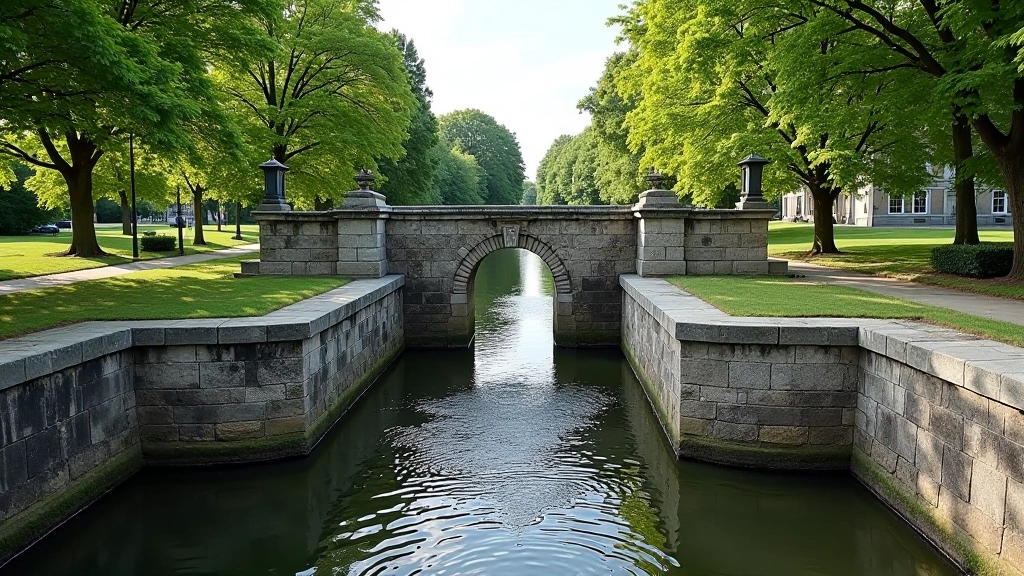
The Northern Lock Gates Route
A 22-kilometer circuit featuring five historic lock gates. Mostly flat with two gravel sections. Best visited in spring or autumn when crowds are thin.
Read GuideHistoric towpaths, lock gates, and peaceful cycling routes designed for relaxed riders
The canal offers something different from typical cycling destinations
Towpaths run level alongside the water. No steep climbs. Just steady, comfortable pedaling.
Five lock gates tell the story of canal engineering from the 19th century. Each one worth a stop.
Away from traffic. You'll hear water, birds, and your own thoughts. That's the whole point.
Benches near viewpoints, cafes in nearby villages, and plenty of places to stop and look around.
Well-marked paths. Simple loops. No confusion about which way to go or how far you've traveled.
Spring brings wildflowers. Summer is green and warm. Autumn shows incredible colors. Even winter has appeal.
A straightforward approach to getting ready
Pick from our guides. Short and flat for casual rides, or longer loops with more lock gates to explore.
Distance, surface type, and parking location. Our guides spell it out so there's no surprises.
Check tires, brakes, and chain. Most sections are smooth, but you'll want your bike in good shape.
Head out early or midweek if you prefer fewer people. Stop often. Enjoy the views. That's the whole idea.
Our most detailed cycling resources for the canal
A 22-kilometer circuit featuring five historic lock gates. Mostly flat with two gravel sections. Best visited in spring or autumn when crowds are thin.
Read Guide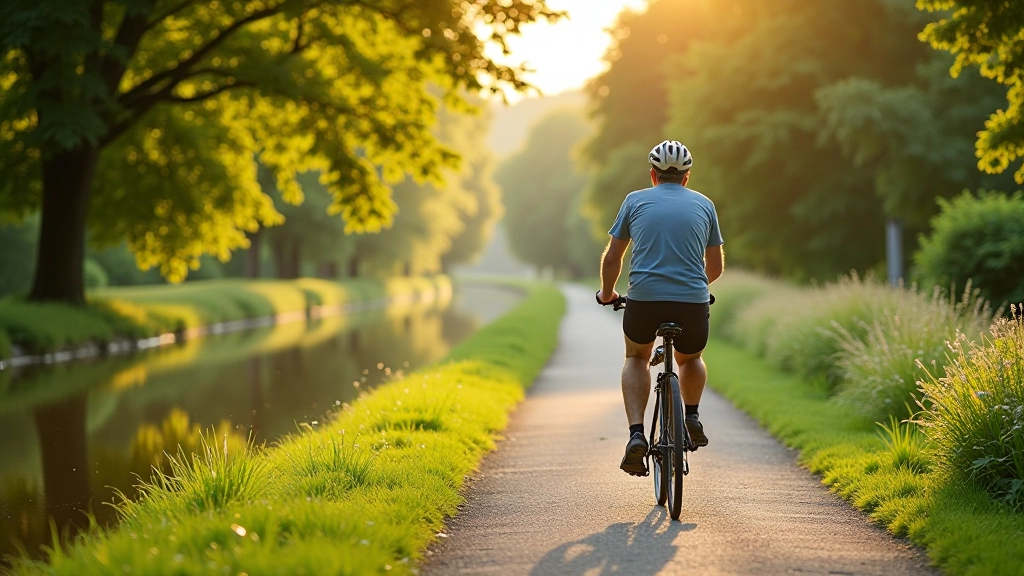
Three gentle routes under 15 kilometers each. Perfect for leisurely rides with frequent stops. Covers the smoothest, most accessible sections of towpath.
Read Guide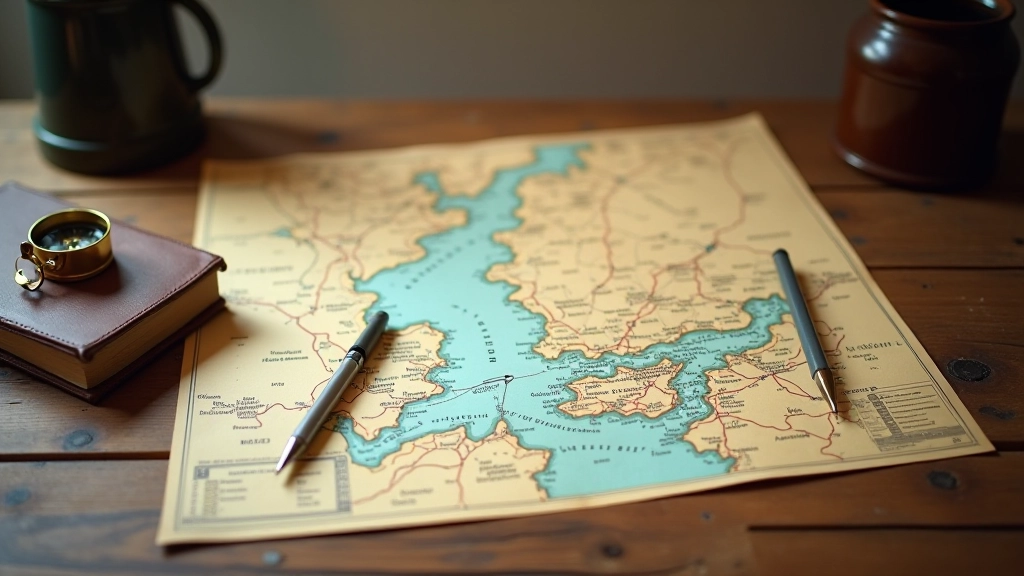
Every lock gate location marked with descriptions of what you'll see. Includes best times to visit, parking information, and nearby facilities for each stop.
Read GuideA brief history of what we've built
We began in 2021 with a simple idea: collect practical information about cycling routes and make it easy to find. At first, it was just notes about local paths and what to bring.
By 2022 , we'd published our first cycling guides. They focused on what actually matters to riders — distance, surface type, where to rest, what the views are like. Not fancy writing, just useful details.
In 2023 , we added detailed maps and lock gate viewpoint information. People kept asking about specific landmarks along the canal, so we made sure every guide covered them.
Through 2024 and 2025 , we expanded with seasonal updates. Spring routes. Summer safety notes. Autumn color peaks. Winter conditions. Each guide gets refreshed regularly to stay accurate.
Today in 2026 , we're focused on clarity and reliability. Every guide is checked against what's actually on the ground. We've added accessibility notes. Parking details. Nearby facilities. The goal hasn't changed — make it easy for you to plan a good ride.
The process behind what we publish
We ride the routes ourselves. We measure distances, note surface conditions, identify rest points, and photograph landmarks. This takes time, but it's the only way to get details right.
Our guides focus on practical information: what you'll see, how far you'll go, where to stop, what kind of bike works best. We skip the marketing language and stick to facts.
Conditions change with seasons and years. We revisit routes regularly, update accessibility information, and refresh seasonal notes. Our guides aren't static — they evolve.
Practical answers about riding the canal
Most sections are smooth gravel or paved. A hybrid or gravel bike works well. Road bikes can work on paved sections. Mountain bikes are fine but might feel heavy on smooth paths. Check our route guides for surface details.
Our short routes (under 15 km) take 1.5 to 2 hours including stops. Medium routes (15-25 km) take 3 to 4 hours. Long routes (km) take 5 hours or more. These are estimates — you'll go at your own pace, and that's fine.
Yes. Benches are common near viewpoints. Small cafes and restaurants exist in villages along the routes. We list specific facilities in each guide. It's a good idea to bring water and snacks anyway.
Spring (April-May) and autumn (September-October) are ideal — mild weather and good visibility. Summer is warm but can get crowded. Winter is possible but conditions vary. Our seasonal guides explain what to expect each time of year.
The paths are well-used and generally safe. Bring a phone, let someone know where you're going, and start early if you prefer daylight. Our guides include parking locations and village access points for safety and convenience.
Yes, rental options exist in nearby towns. Check our guide sections for specific details about where rentals are available. It's worth booking ahead, especially on weekends.
Our guides have everything you need to plan a great day on the canal. Pick a route, check the details, and go ride.
We use cookies to improve your experience on our site. By continuing to browse, you agree to our cookie policy.