
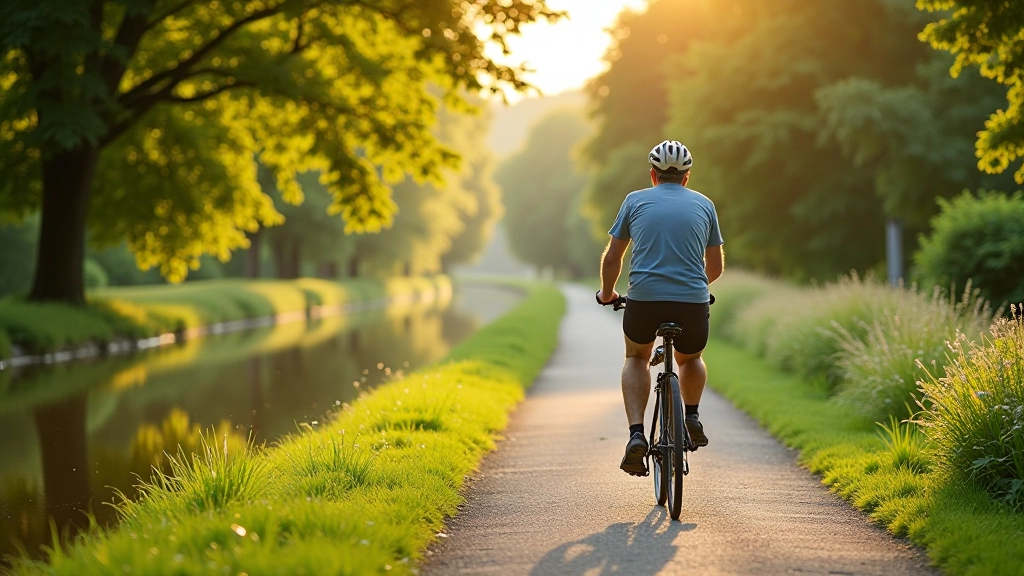
Easy Flat Sections for Casual Riders
Three gentle routes under 15 kilometers each. Perfect for leisurely rides with fewer technical sections and plenty of rest spots.
Read MoreA 22-kilometer circuit featuring five historic lock gates. Mostly flat with two gravel sections. Best visited in spring or autumn when crowds are thin.
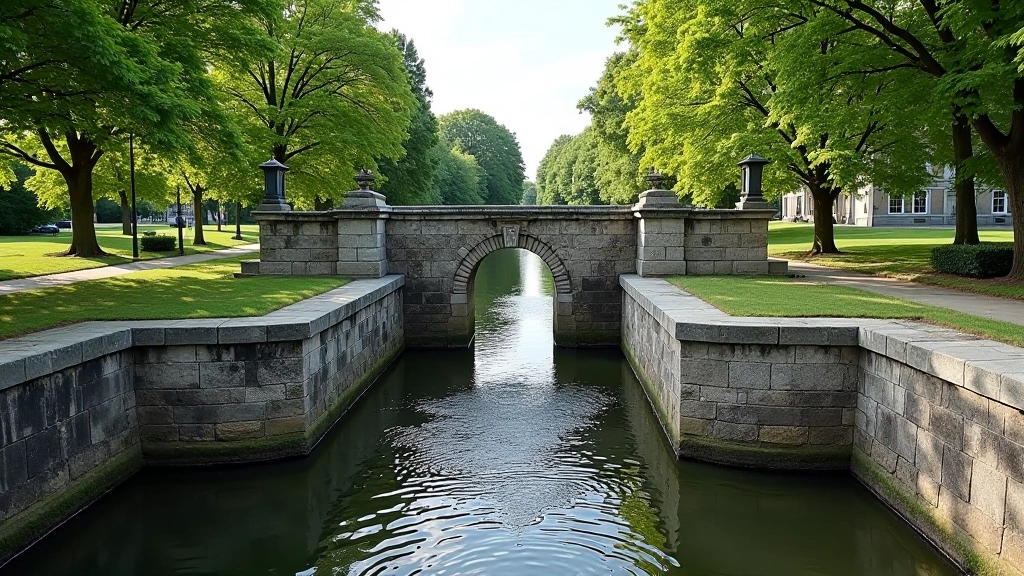
This route isn't your typical canal path. It's got real character — the kind of ride where you'll stop several times just to look around. The five lock gates tell the story of how water was managed here over a century ago, and the landscape around them hasn't changed much since.
You'll pedal past wetland areas where herons stand perfectly still, cross over several wooden bridges, and find yourself in sections where the only sound is your tires on gravel. It's peaceful but engaging. Not boring, not exhausting — just right for a morning or afternoon out.
The route starts at the main visitor parking area near Nidzki Gate — that's the first lock gate and probably the most photographed spot on the entire circuit. From there, you'll head north through managed grassland and into sections where the towpath narrows. The water runs right alongside you in most places, which means you're always aware of the canal's presence.
About 7 kilometers in, you'll reach Łupachówka Lock, nestled in a quieter area. This one's less crowded than the others, and there's a small picnic area nearby if you need a break. The next few kilometers take you through mixed terrain — some asphalt, some gravel, one or two spots where roots have buckled the surface slightly. Nothing dangerous, just something to watch for.
By the time you reach Augustów Lock (the northernmost point), you've covered about 12 kilometers. This is a good place to refill water if you've got a hydration pack. The lock itself is impressive — you can see how the gates function, how water pressure operates the whole system. Spend ten minutes here. It's worth it.
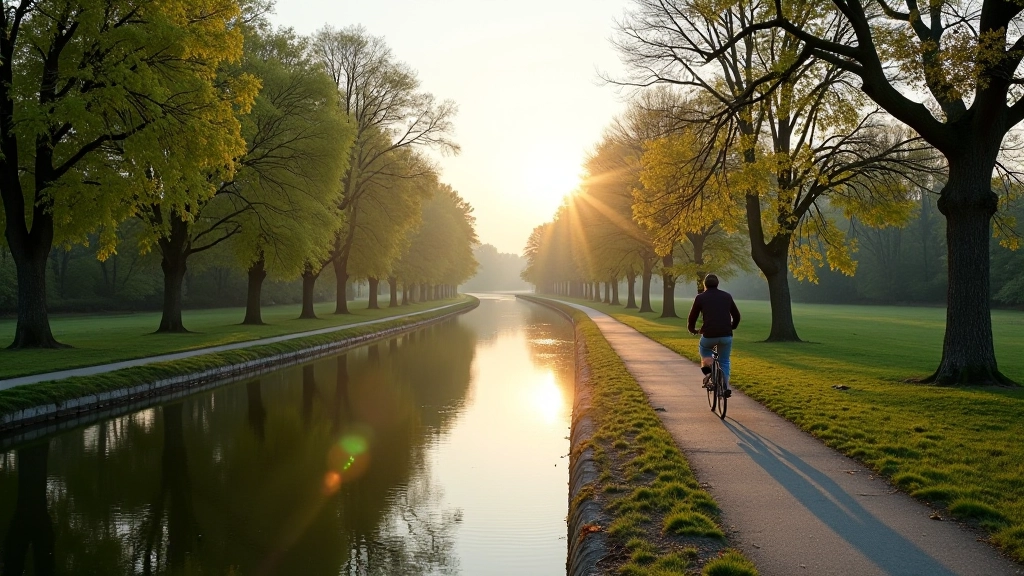
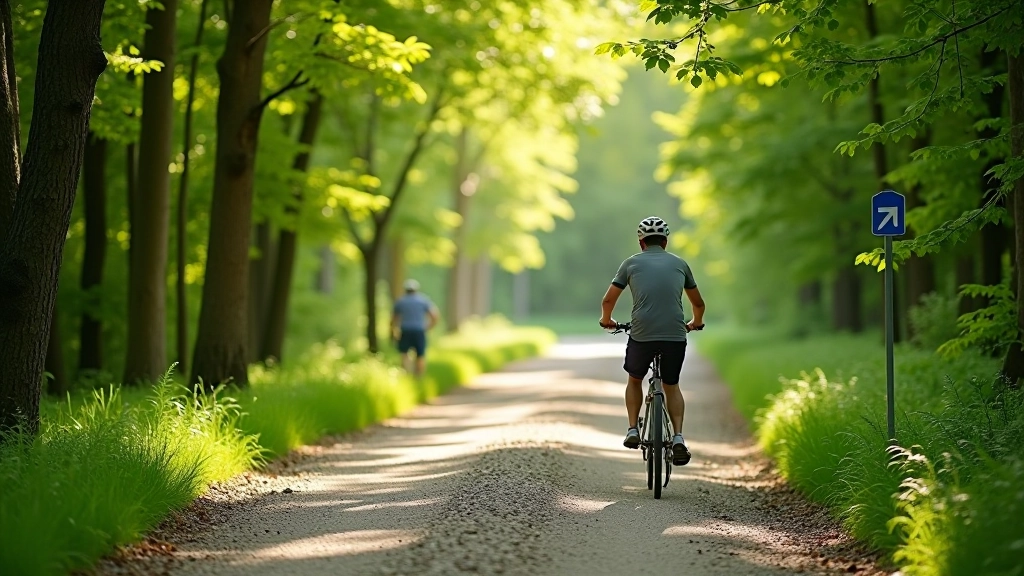
Here's the honest breakdown: about 16 kilometers are smooth asphalt or well-maintained packed earth. Then you've got roughly 4 kilometers of gravel. Those gravel sections aren't loose or treacherous — they're compacted firmly — but they do slow you down a bit. A hybrid or gravel bike handles them beautifully. A road bike with thin tires? You'll manage it, but you'll feel every small stone.
The elevation change is minimal. You might climb 30-40 meters total across the entire route, and most of that happens gradually as you move between different sections of the canal. There's one bridge crossing that has a slight rise on both sides, but it's nothing demanding. If you can ride casually for an hour without strain, you can do this route.
Surface conditions vary by season. Spring can mean muddy patches in shaded areas where water hasn't drained completely. Summer's your safest bet — dry, firm surfaces everywhere. Autumn leaves make it beautiful but can hide small holes in the gravel sections. Winter visits are possible but require caution where water freezes near the towpath edges.
The most recognizable lock on the route. Parking, toilets, and a small café nearby. Perfect for photos and a quick orientation before heading out.
Quieter than the main gates. Bench seating, grassy areas for resting. Good spot to eat a snack and watch the water flow.
The northern terminus. Water refill point and shade structures. This is where many riders turn around for the return journey.
On the return leg. Less visited, more authentic feel. Good for understanding how the canal system actually worked.
Multiple pull-offs with benches scattered throughout. You're never more than 3-4 kilometers from a decent rest spot.
Stone markers indicate historical information about each section. Worth reading — they're surprisingly informative.
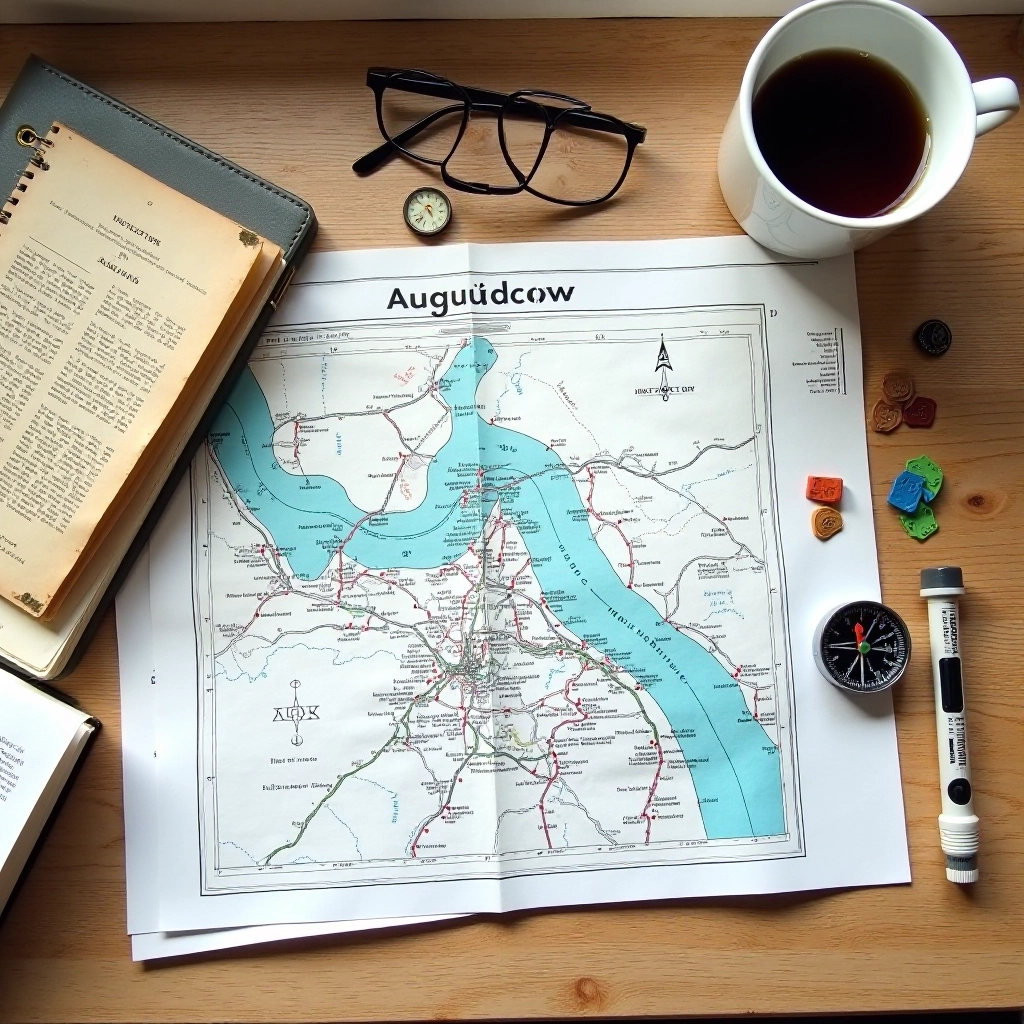
Author
Editorial Team
Written by the Augustów Canal Editorial Team, focused on honest, practical cycling guidance for the historic canal towpath.
Three gentle routes under 15 kilometers each. Perfect for leisurely rides with fewer technical sections and plenty of rest spots.
Read More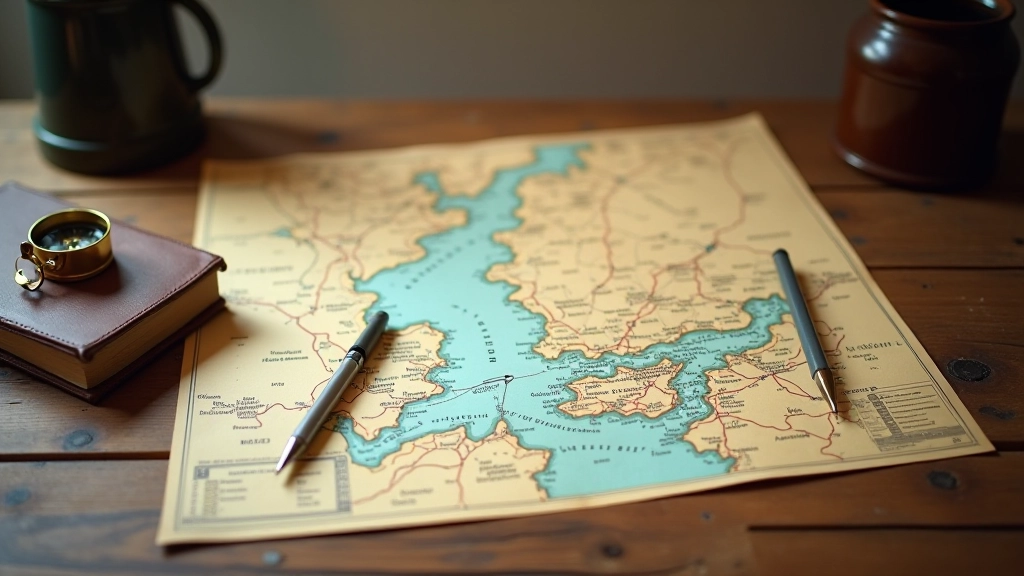
Every lock gate location marked with descriptions of what you'll see. Includes best viewpoints and photographic spots along the route.
Read More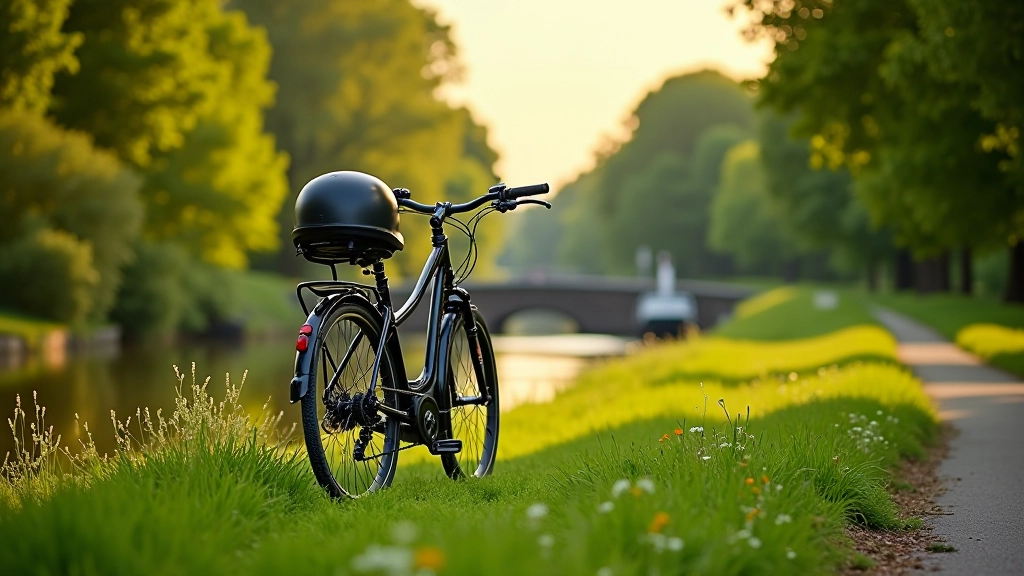
Practical checklist for canal cycling: gear recommendations, water and snack planning, weather considerations, and safety essentials.
Read MoreBegin your ride before 10 a.m. The route's much quieter in early morning. You'll have the lock gates nearly to yourself, and the light's better for photographs.
Two liters minimum. There's only one reliable refill point (Augustów Lock), and you'll want extra for resting periods. The sun reflects off water and increases dehydration risk.
The gravel sections can become slippery within 24 hours of rain. Call ahead or check local cycling forums for recent reports about surface conditions.
You'll see herons, cormorants, and occasionally otters. Slow down when you spot them. They're easily startled, and the whole experience improves when animals aren't fleeing from you.
Stone information markers explain the history and engineering of each lock. They're small and easy to miss, but they add genuine depth to your understanding of the route.
Fall colors here are genuinely stunning. Plan for mid-September to early October. Later visits mean fallen leaves hide the gravel surface — not dangerous, but worth knowing.
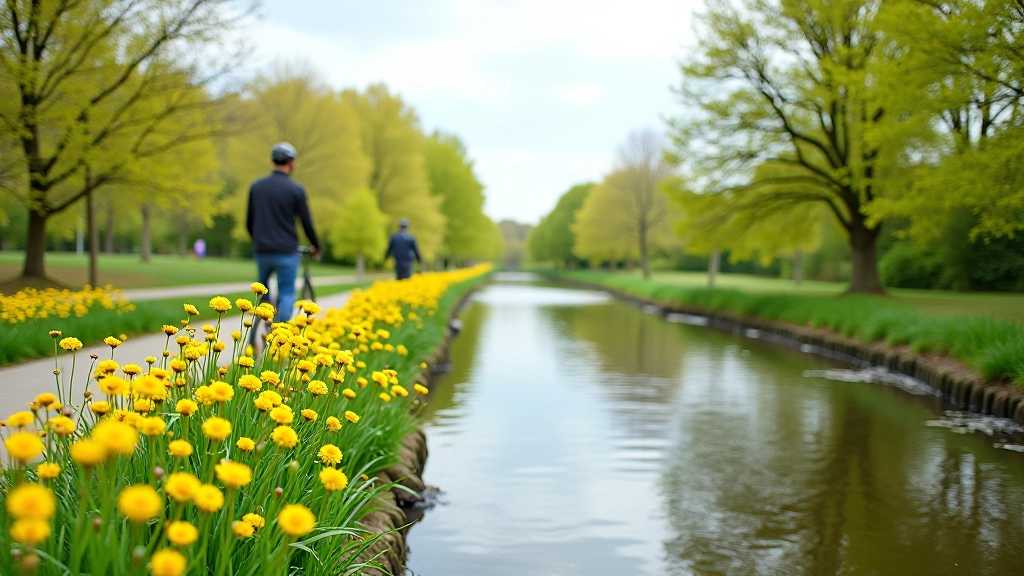
Spring (April through May) offers new growth and fewer visitors. The gravel's firm, the weather's mild, and you'll see flowers blooming along the banks. Midweek rides are particularly quiet.
Autumn (September through October) brings color. Temperatures are comfortable for active cycling, and the light has that golden quality that makes everything look better. Popular, yes, but still manageable if you start early.
Summer works but brings crowds, especially weekends. The heat can be intense on exposed sections. If you go in July or August, ride very early or very late in the day.
Winter's possible but requires caution. Water can freeze near the towpath, and gravel sections become slippery. Only attempt this in dry, above-freezing conditions.
This isn't the longest canal route or the most technically challenging. What it is: honest cycling through landscape that actually means something. The lock gates aren't just photo backdrops — they're functional structures that shaped how this region developed. You're riding through history in a way that feels natural, not staged.
Most people finish in 3 to 4 hours including stops. You'll have time to sit by the water, understand the engineering, watch birds, and just exist quietly for a while. That's increasingly rare. The 22 kilometers goes by faster than you'd expect, but slower than a pure fitness ride. It's exactly the right pace for noticing things.
If you're looking for a canal ride that doesn't feel like a box-ticking exercise, this is it. Bring water, start early, and plan to stop frequently. You'll come back.
Choose cycling routes that match your fitness level and experience. Check local weather conditions and trail status before traveling. Carry a basic first aid kit and mobile phone. If you have health concerns or haven't cycled regularly, speak with your doctor before starting. Surface conditions vary by season — inspect the route before committing to longer distances. Stay hydrated and use sun protection during warm months.