
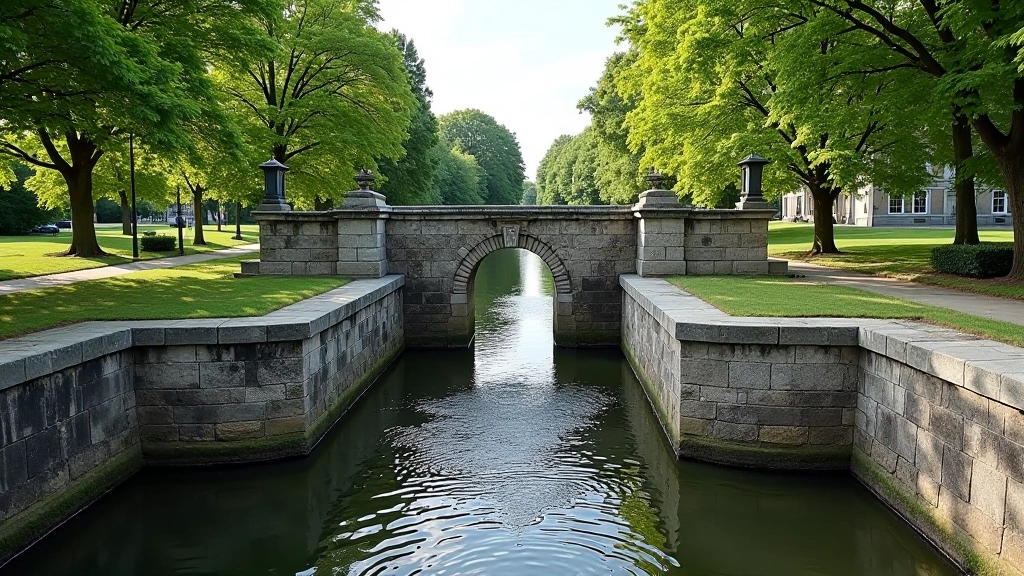
The Northern Lock Gates Route
A 22-kilometer circuit featuring five historic lock gates. Mostly flat with two gentle inclines. Perfect for a morning ride with café stops.
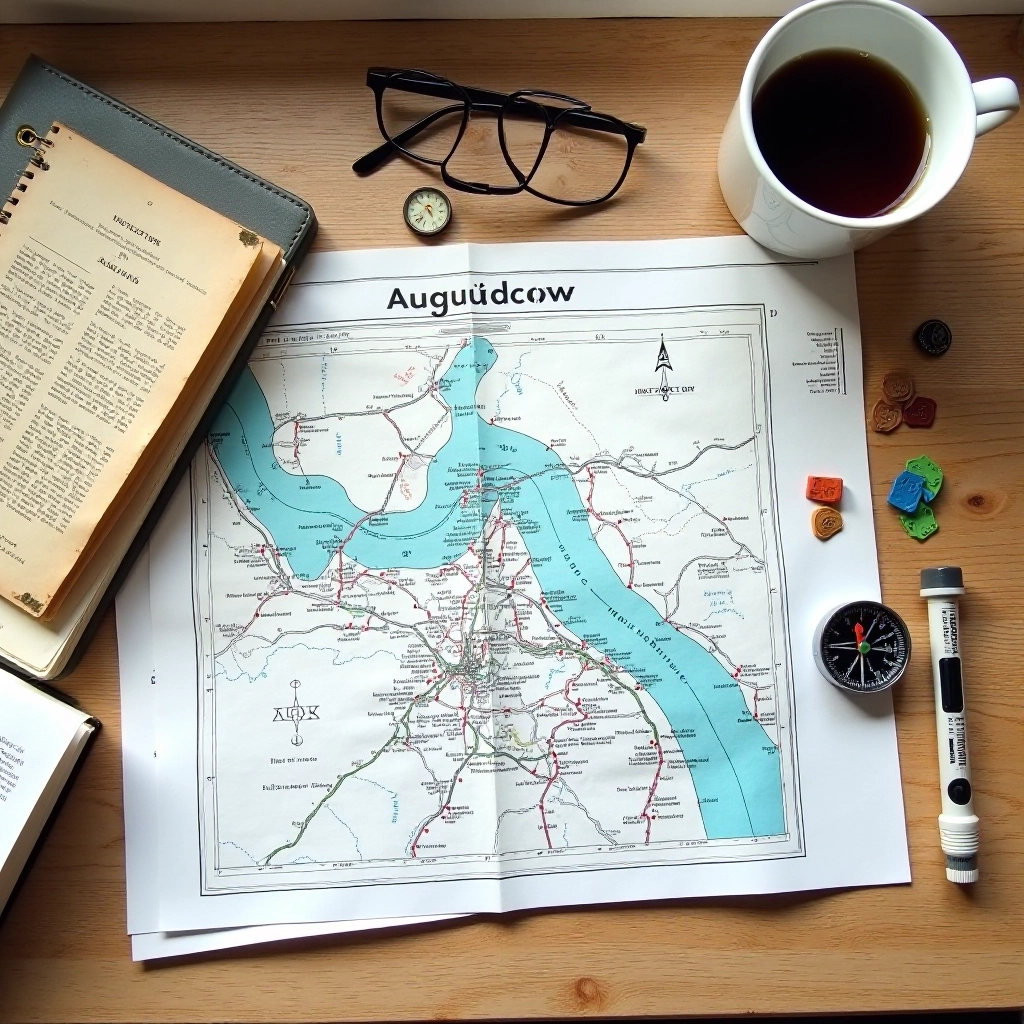
Every lock gate location marked with descriptions of what you'll see. Includes best times to visit, parking information, and nearby facilities for each stop.
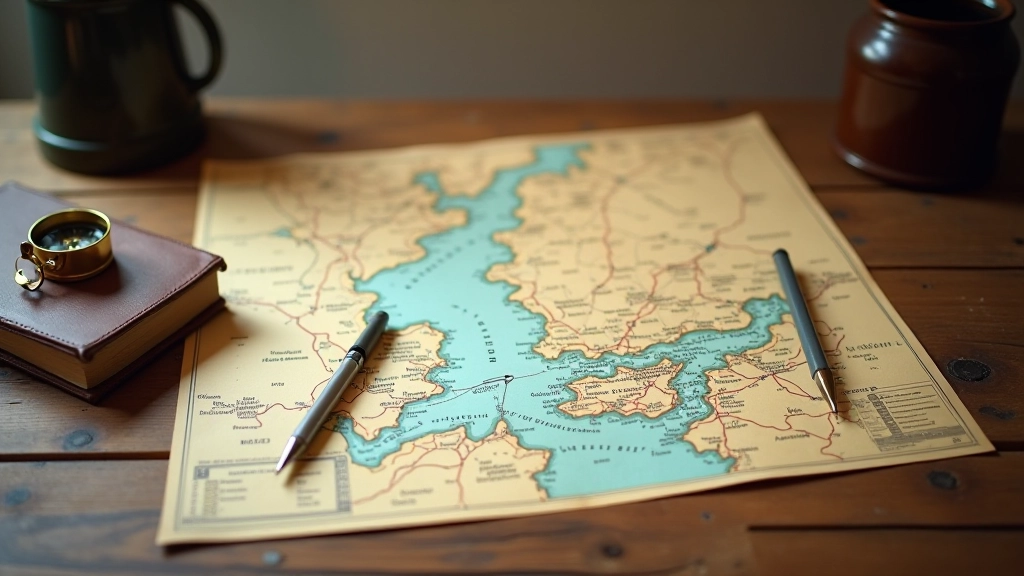
Planning a cycling trip along the Augustów Canal? You're in for something special. The canal's lock gates aren't just engineering — they're viewpoints, resting spots, and genuine highlights of the route. We've mapped every single one so you know exactly what's ahead. No surprises, just clear information about what you'll see, where you can stop, and what facilities are nearby. Whether you're doing a casual afternoon ride or tackling the full circuit, this guide gets you oriented.
The Augustów Canal stretches 101.5 kilometers and features 14 working lock gates. Each one serves a practical purpose — they manage water levels across different sections of the canal. For cyclists, they're key landmarks. You can actually watch the gates operate, especially during summer months when boat traffic picks up. Most gates have flat approaches, which means you won't face sudden elevation changes when you reach them.
Here's what matters: you can access viewing areas at every lock. Some have dedicated benches. Some have nearby water taps or rest shelters. We've documented all of this below — not just "where the locks are," but what you'll actually find when you get there.
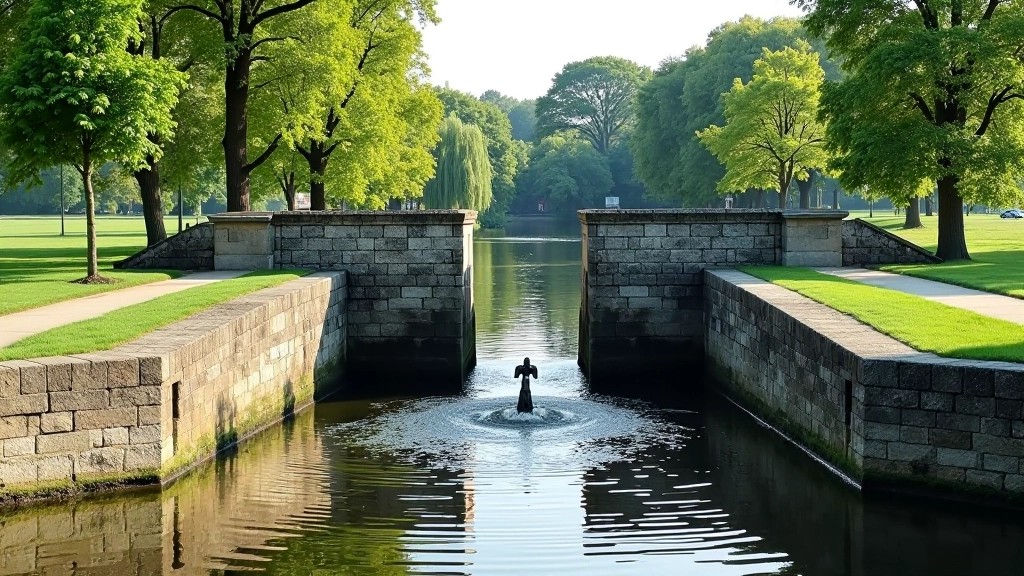
The first five gates form a gentle introduction to the canal. They're spaced between 12 and 18 kilometers apart, so you've got natural rest points. Gate 1 sits near a small parking area with a picnic table — good starting point if you're coming from town. You'll see the landscape shift from open meadow to denser tree coverage as you move north.
Editorial Team
Written by the Augustów Canal Editorial Team, focused on honest, practical cycling guidance for the historic canal towpath.
This is where the canal reveals its full character. Gates 6 through 10 sit in the most scenic stretch, with water on both sides and varied vegetation. The elevation changes are minimal — you're cycling on a dedicated towpath that's been maintained for centuries. That consistency makes this section ideal for longer rides without surprise climbs.
Gate 7 and Gate 8 are the highlights. Gate 7 has a proper rest area with multiple benches and views across open water. Gate 8 sits at a junction where the canal widens significantly. We've seen herons and other water birds here regularly — bring binoculars if you're into that.
Gates 6, 7, and 9 all have water taps. Gate 8 has a small shelter. Gate 10 doesn't have facilities on-site, but a small shop is 800 meters away. Best strategy: fill water bottles at Gate 7, plan lunch around Gate 8's shelter.
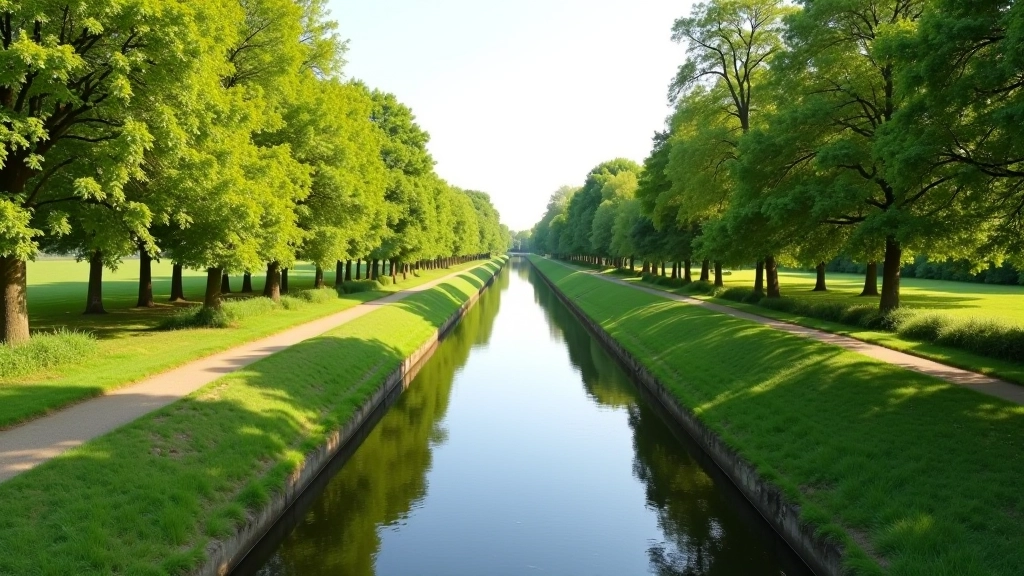
A 22-kilometer circuit featuring five historic lock gates. Mostly flat with two gentle inclines. Perfect for a morning ride with café stops.
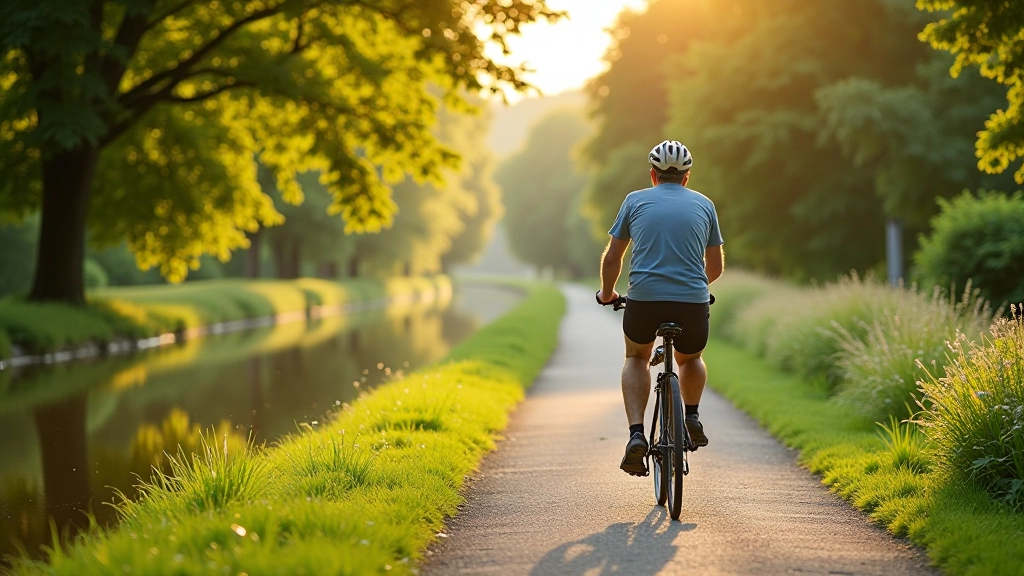
Three gentle routes under 15 kilometers each. Perfect for leisurely rides with frequent breaks. No navigation stress, just cycling.
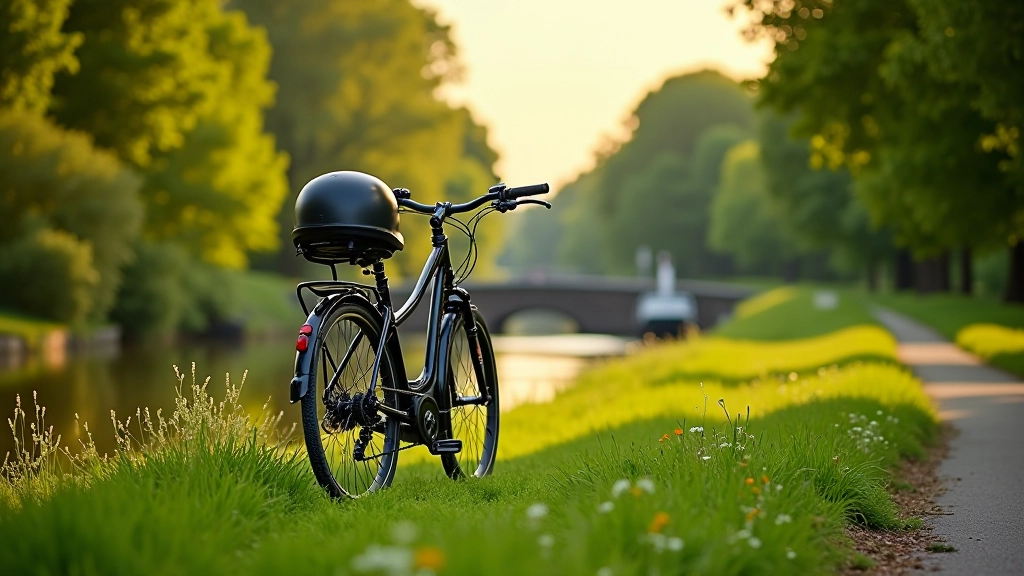
Practical checklist for canal cycling: gear recommendations, water and snack planning, what to wear in different seasons.
The last four gates bring you into denser settlements and closer to the southern terminus. Gates 11 and 12 are still quite rural. Gate 13 sits on the edge of a small town — parking is easier here, and there's a restaurant 400 meters away. Gate 14 is the endpoint, marked by a small monument and information board.
The spacing gets tighter in this section (9-15 kilometers between gates), so you're not cycling as long between rest stops. The path quality remains excellent throughout. We've cycled this stretch in both directions — no difference in difficulty.
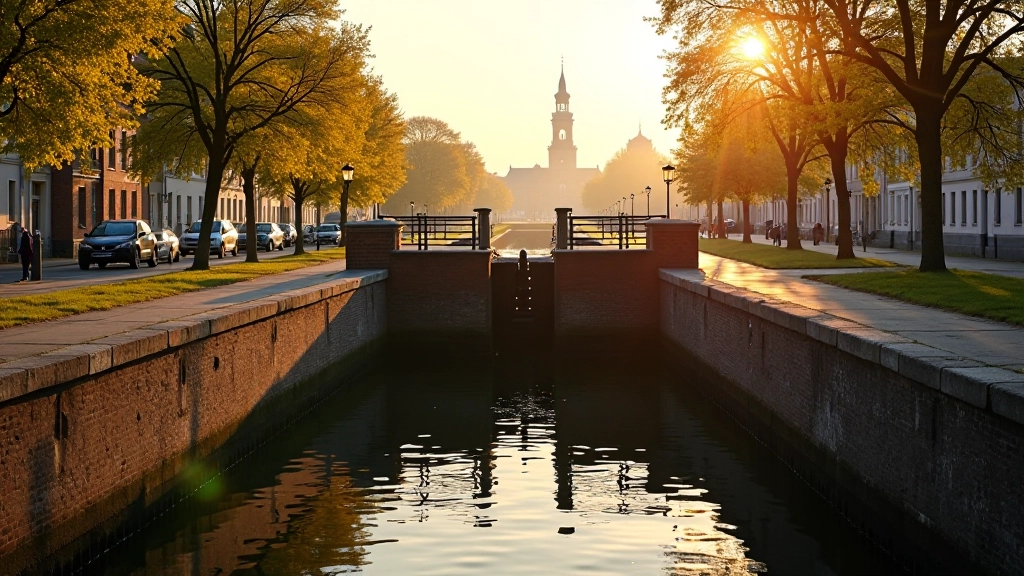
Late spring (May-June) and early autumn (September-October) are ideal. Weather's stable, temperatures are moderate, and you won't hit peak summer crowds. If you're going in July or August, start early — morning rides before 9 AM mean less heat and fewer people at viewing areas.
Four main parking areas serve the canal: North entrance (Gate 1 area, 15 spaces), Central hub near Gate 7 (30 spaces), South gateway near Gate 13 (25 spaces), and End point at Gate 14 (10 spaces). All are free. Gates 3, 5, 9, 11, and 12 have informal pull-offs but limited space — assume 2-4 bikes only.
We've mapped water taps at 8 gates. But don't assume — bring your own water bottle. Public restrooms exist at Gates 4, 8, and 13 only. Plan accordingly. Small shops are within 2km of gates 4, 8, 10, and 13. Everything else, bring snacks.
Flat throughout. Towpath surfaces are mostly packed gravel with some asphalt sections near gates. No serious climbs. Beginner cyclists manage this route comfortably. The main challenge is distance, not terrain — plan rest breaks every 15-20 kilometers.
These gates have been operating for over a century. They're still functional, which means you might see actual water management happening. Here's how to get the most from each stop:
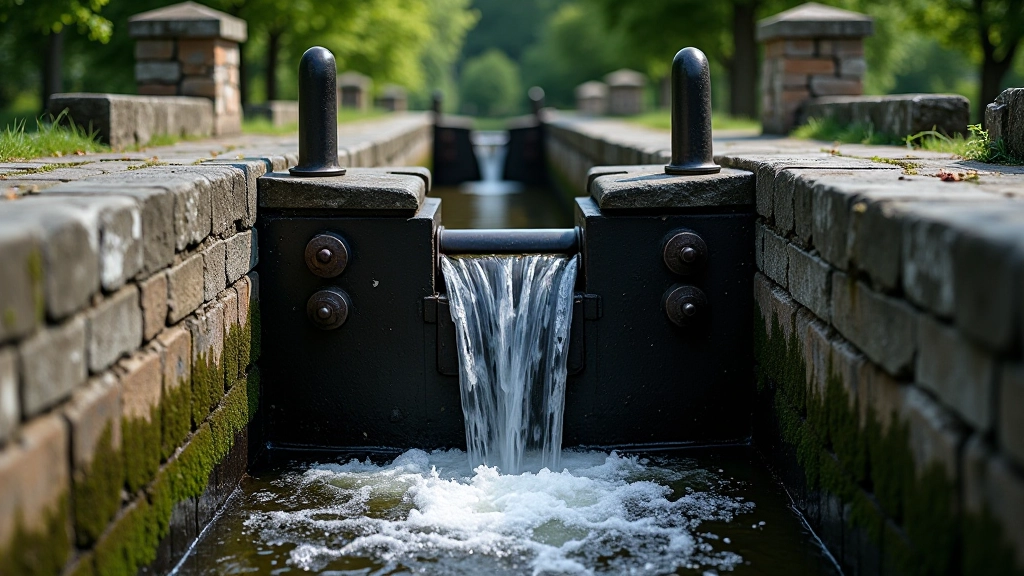
You've got the map. You know where the gates are, what facilities exist, and what to expect at each stop. Now the choice is yours: tackle the full 101-kilometer circuit, or break it into segments. A 50-kilometer northern loop is perfectly doable in a day. The central section works beautifully as a half-day ride. The southern section is quieter if you prefer fewer crowds.
What we've learned from cycling this route repeatedly: it's not about speed. It's about the stops. The light on the water at Gate 7. The quiet at Gate 5. The history embedded in every stone. The canal rewards attention. Bring water, bring time, and don't skip the smaller gates just because they're remote. That's where the real experience happens.
Ready to explore? Start with the section nearest you, or pick a gate that interests you most. You can't go wrong — the entire route is well-maintained and genuinely beautiful. We hope you'll take your time, notice the details, and come back more than once.
This guide is informational only. Cycling conditions change with weather, maintenance, and seasonal factors. Choose activities that match your fitness level. Check local conditions before traveling. Towpath surfaces may be wet or uneven in places — walk your bike if needed. Water can be cold year-round — exercise caution near the canal. If you have health concerns or haven't cycled in a while, speak with your doctor before starting this activity. Bring proper safety equipment, including lights and a helmet, regardless of time of day.