
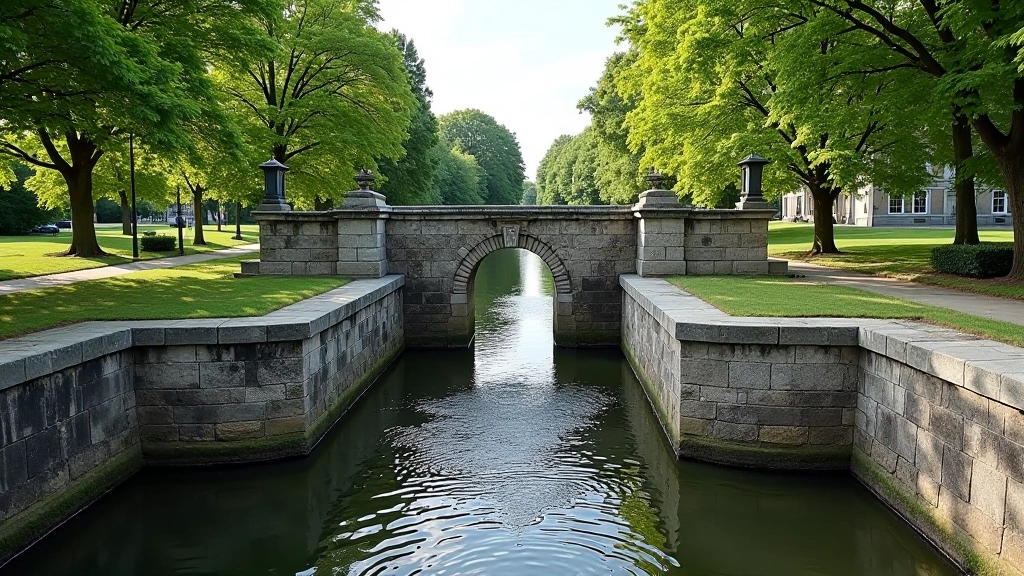
The Northern Lock Gates Route
A 22-kilometer circuit featuring five historic lock gates. Mostly flat with two gentle climbs near the endpoints.
A practical checklist for cycling the Augustów Canal towpath. We'll walk you through gear essentials, hydration and snacks, bike maintenance basics, and what to expect on different surfaces throughout the seasons.
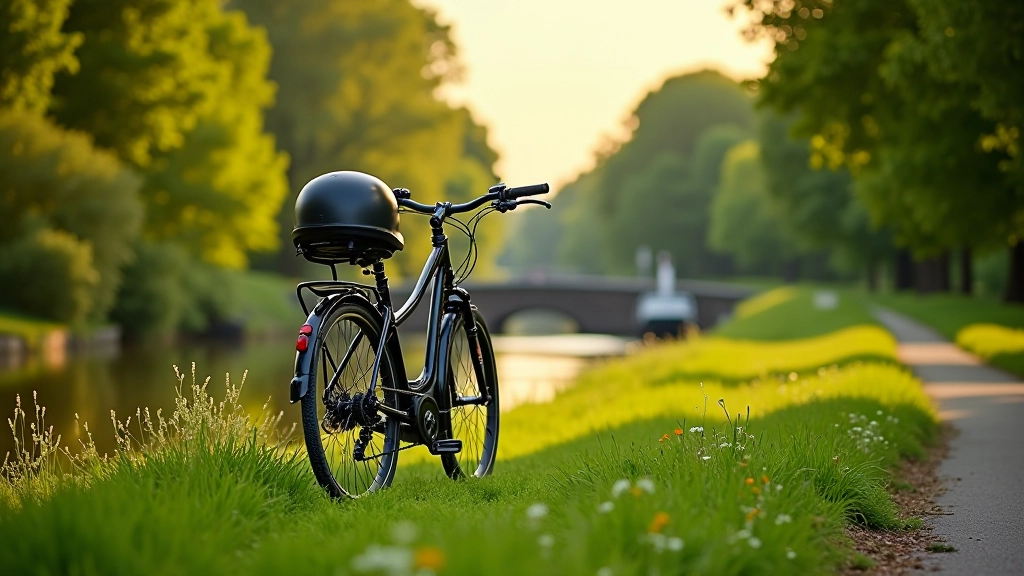
The Augustów Canal isn't a mountain pass or a technical trail — it's a beautiful, mostly gentle route alongside historic waterways. But it's not a casual stroll either. You'll want to be prepared so you're comfortable, safe, and can actually enjoy the scenery without worrying about whether you've brought the right things.
Whether you're cycling the northern lock gates route (22 kilometers) or exploring shorter flat sections, proper preparation makes a real difference. We're talking about basics here — nothing fancy or expensive. Just the essentials that keep you riding smoothly and enjoying the experience.
You don't need a lot of special equipment to ride the canal towpath. Your bike should be in decent working order, and you'll want a few safety basics with you.
Non-negotiable. Even on flat terrain, accidents happen. A helmet can make the difference.
The towpath can be shaded by trees, especially in summer. A front light and rear light improve visibility for you and other cyclists.
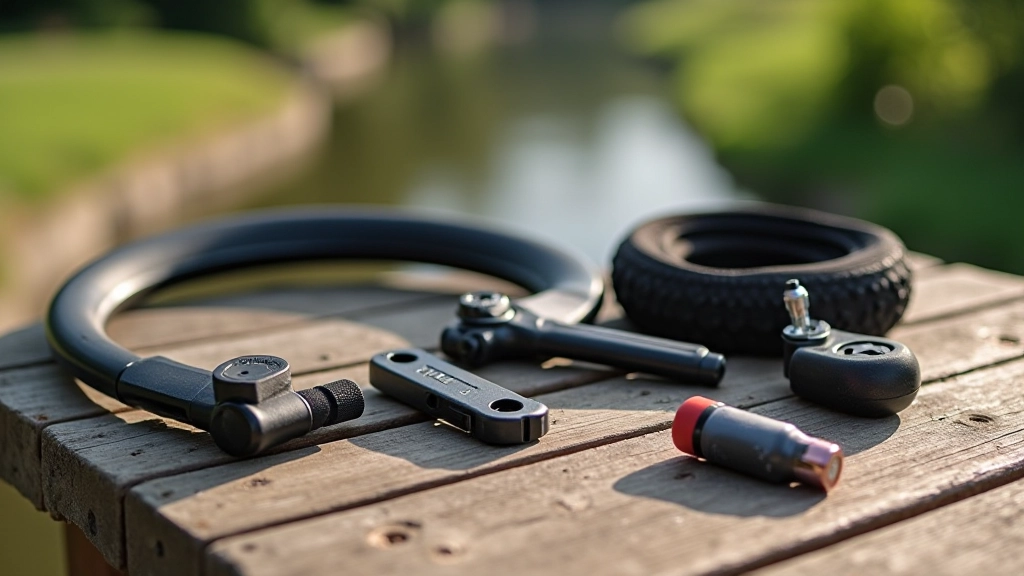
Tire levers, a spare inner tube, a small pump, and a multi-tool. You're not stuck miles from help, but carrying these means you're not walking either.
Keep your phone in a waterproof bag. And carry ID — it's practical.
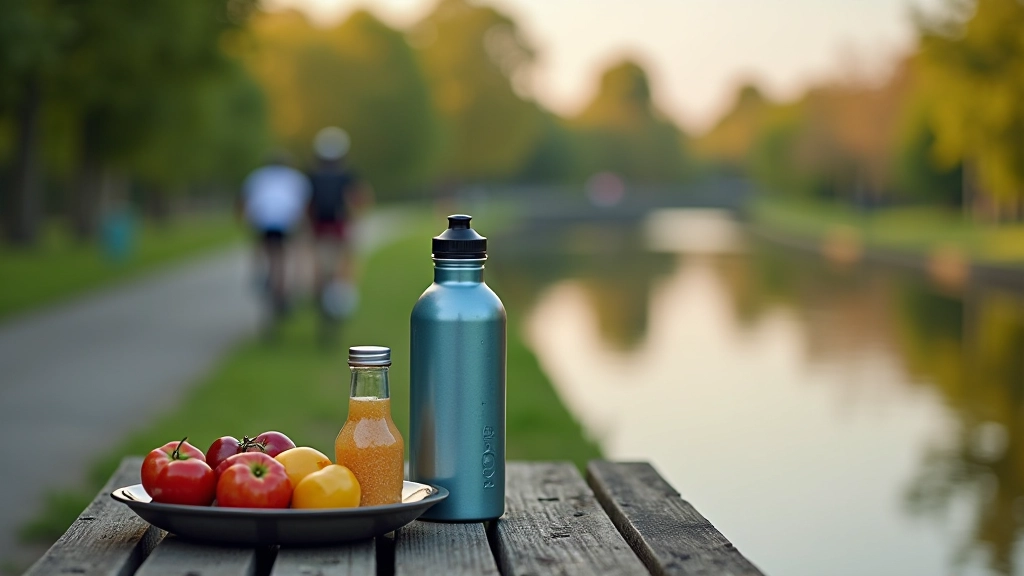
You'll want to stay hydrated and fueled. The towpath has a few spots where you can grab refreshments, but don't count on it.
Bring at least 1.5 liters of water — more if it's warm. A hydration pack works well, or water bottles on your frame. Don't wait until you're thirsty to drink. Little sips regularly keep you feeling better.
For snacks, think about what works for you. Energy bars, fruit, nuts, or sandwiches all work. Aim for a mix of carbs and protein. A banana with some cheese, or a granola bar and handful of almonds. Simple stuff. Eat before you get hungry — it's easier to keep energy steady than to recover from hitting a wall.
If you're doing a longer ride like the 22-kilometer northern route, pack more than you think you'll need. It's better to have leftovers than to bonk halfway through.
Editorial Team
Written by the Augustów Canal Editorial Team, focused on honest, practical cycling guidance for the historic canal towpath.
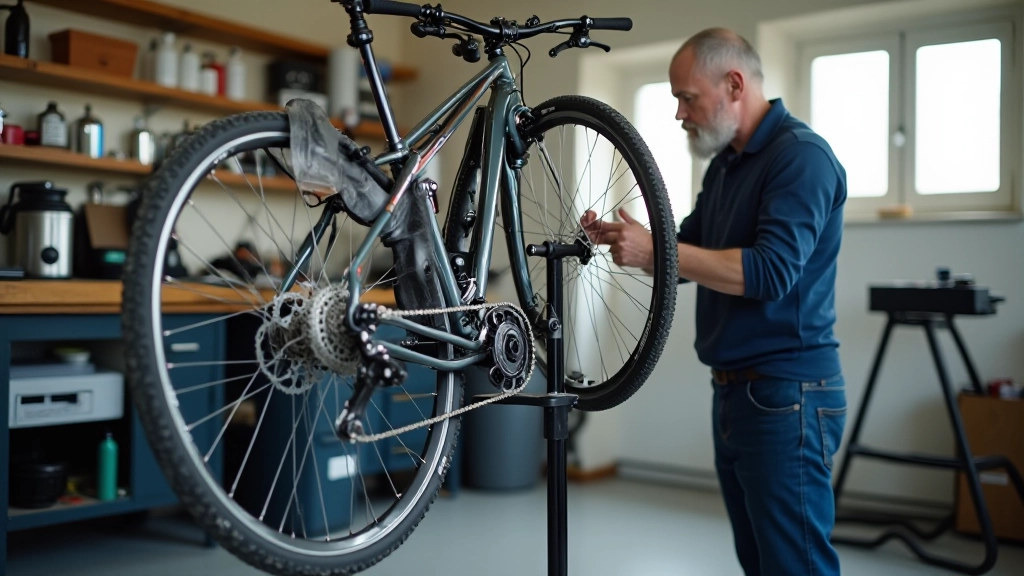
You don't need to be a mechanic. But spend 10 minutes checking your bike before heading out. It makes a difference.
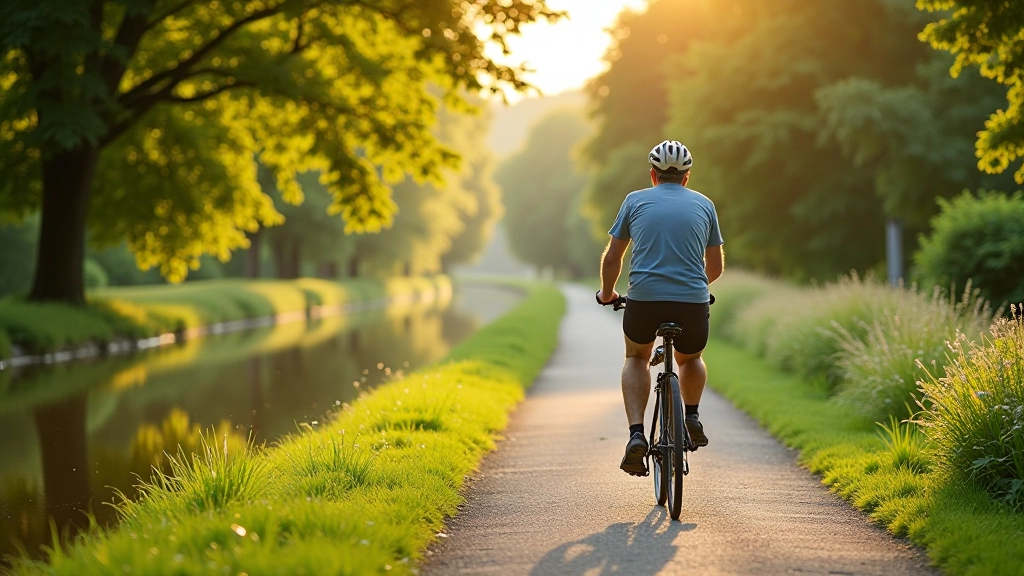
A 22-kilometer circuit featuring five historic lock gates. Mostly flat with two gentle climbs near the endpoints.
Three gentle routes under 15 kilometers each. Perfect for leisurely rides with frequent rest stops.
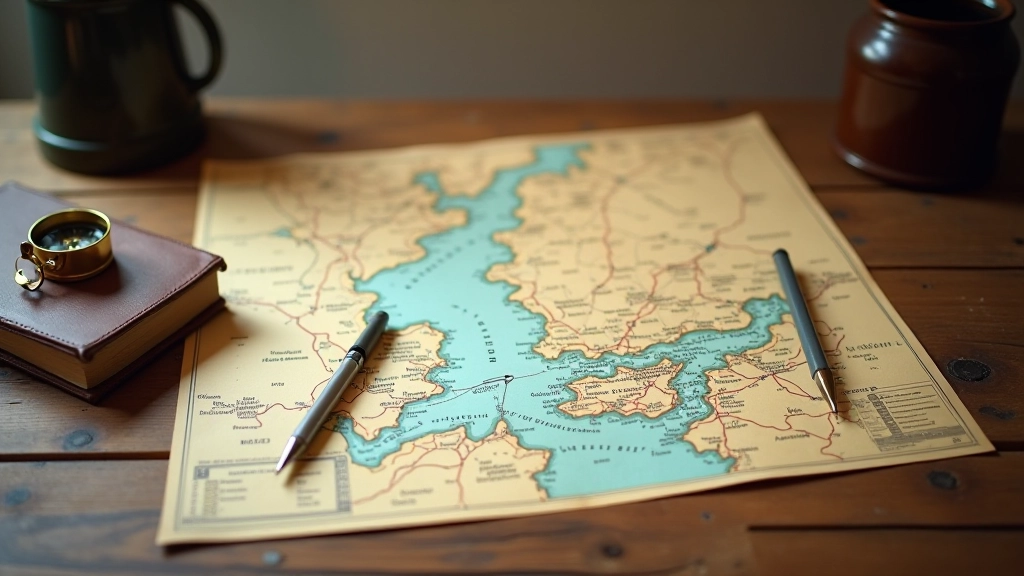
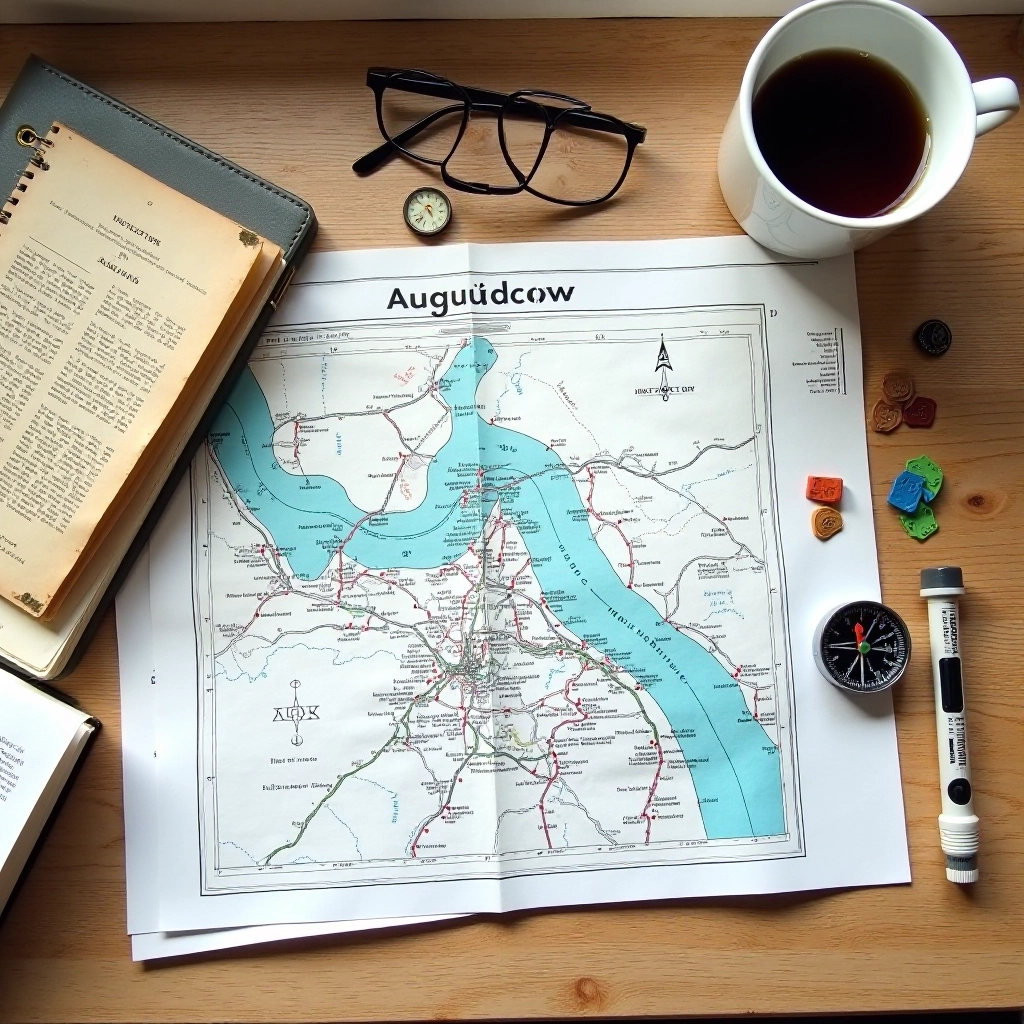
Every lock gate location marked with descriptions of what you'll see. Includes best photo spots and rest points.
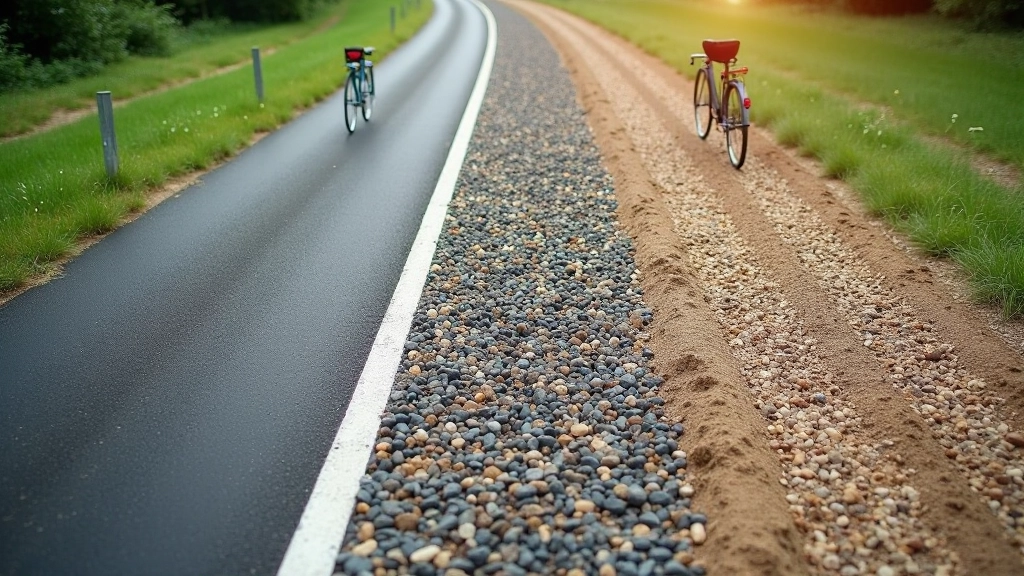
The canal towpath isn't uniform. Different sections have different surfaces, and knowing what to expect helps you prepare your bike and pace yourself.
Most of the northern section is paved or well-compacted gravel. It's smooth enough for regular bikes, though a hybrid or touring bike handles the gravel stretches more comfortably than a road bike. Some sections near the lock gates are packed earth that can get muddy after rain.
If you're using a road bike with thin tires, stick to the paved sections. For a hybrid or mountain bike, you've got more options. Check current conditions online or ask locals before you ride — seasonal weather changes how these paths feel.
What you pack changes with the weather. The towpath is nice year-round, but each season brings different challenges.
Sun protection is key. Bring sunscreen, sunglasses, and a hat or helmet visor. The trees provide shade in some spots, but you'll get sun exposure. Bring extra water — it's warm and you'll sweat more.
Leaves cover the path, which can hide holes or slippery spots. Ride a bit more cautiously. A light rain jacket is smart — weather changes quickly. The path dries faster than you'd think though.
Frost can make gravel sections icy. Tire tread matters more. Dress in layers — you'll warm up quickly while riding. Bring lights; days are shorter. It's beautiful but demands more caution.
Choose activities that match your fitness level, check local conditions before travelling, and speak with your GP if you have health concerns before starting a new activity. Weather, path conditions, and seasonal changes can affect cycling safety. Always wear a helmet and follow local traffic rules. The information here is for planning purposes — conditions vary, and your experience depends on your fitness, equipment, and local circumstances.